


Description
Product Overview
Pharmaton’s Lab Enzyme 100cps is engineered to meet the rigorous demands of modern scientific research, delivering a consistent high‑purity output that supports a wide range of experimental protocols. Constructed from a carefully selected white cotton substrate, the enzyme preparation provides a stable environment that protects activity during storage and handling. The 100cps activity rating indicates a rapid catalytic turnover, allowing researchers to achieve measurable results in shorter time frames while maintaining accuracy. Each unit is packaged with a dedicated camera component, enabling visual documentation of reaction progress directly at the point of use. This integrated approach reduces the need for separate imaging equipment, streamlining laboratory workflows and minimizing potential sources of error.
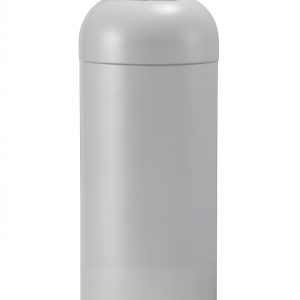
![[Product front view showing all components]](https://www.dilvora.store/wp-content/uploads/2026/07/bb97c39a4c3c47d0bc355978a17d4ff6.jpg)
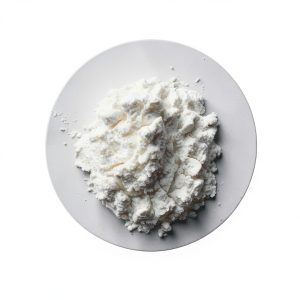
The formulation’s cotton base not only contributes to a gentle handling experience but also offers excellent absorbency, ensuring that the enzyme remains evenly distributed across the reaction surface. This uniformity is critical when performing assays that require precise concentration control, such as kinetic studies or substrate specificity tests. In addition, the white coloration provides a neutral background that enhances visual contrast for the attached camera, facilitating clearer image capture without the interference of colored substrates. The product complies with the manufacturer’s two‑year warranty policy, reflecting Pharmaton’s confidence in the durability and performance of the enzyme under typical laboratory conditions. Detailed specifications, including the ASIN B0G3QK2J5V and best‑seller rankings, are readily available for verification, reinforcing transparency and traceability for procurement teams.
Usage
Designed with adult laboratory practitioners in mind, the Pharmaton Lab Enzyme 100cps integrates seamlessly into a variety of experimental setups, from bench‑top assays to larger scale bioprocessing stations. Its compatibility with standard laboratory equipment, such as pipettes, microtiter plates, and spectrophotometers, ensures that users can adopt the enzyme without extensive reconfiguration of existing protocols. The inclusion of a camera component is particularly advantageous for researchers conducting time‑lapse studies or documenting morphological changes during enzymatic reactions, as it provides real‑time visual feedback that can be archived for later analysis. Moreover, the enzyme’s stability at room temperature simplifies storage logistics, allowing laboratories to maintain ready‑to‑use stocks without the need for specialized refrigeration.
In contexts where baseball‑related biochemical investigations are performed, such as analyzing muscle protein breakdown or testing performance‑enhancing supplements, the enzyme’s rapid turnover rate proves valuable. Researchers can simulate physiological conditions by adjusting substrate concentrations and temperature settings, while the cotton matrix offers a non‑reactive platform that does not interfere with assay outcomes. The white background further assists in distinguishing subtle color changes that may indicate reaction progress, especially when paired with the built‑in camera for high‑resolution capture. By providing a reliable, easy‑to‑handle enzyme solution, Pharmaton enables scientists to focus on experimental design and data interpretation rather than troubleshooting reagent inconsistencies.
Why Choose Us
Pharmaton’s reputation for quality control is reflected in the meticulous manufacturing processes applied to the Lab Enzyme 100cps line. Each batch undergoes rigorous purity testing, activity verification, and stability assessment to guarantee that the final product meets the exacting standards required by research institutions and industrial laboratories alike. The use of a cotton carrier, sourced from certified suppliers, ensures that the enzyme is free from contaminants that could compromise experimental integrity. Additionally, the product’s compliance with industry regulations, including proper labeling and safety data sheet provision, demonstrates Pharmaton’s commitment to responsible sourcing and user safety.
Beyond the core product, Pharmaton offers comprehensive after‑sales support that includes technical assistance, replacement parts, and guidance on optimal usage conditions. Customers can access a dedicated help desk staffed by experienced scientists who can troubleshoot issues ranging from enzyme activity fluctuations to imaging integration challenges. The two‑year warranty further underscores the company’s confidence in the durability of the enzyme and its associated components, providing a safety net that protects investment and reduces downtime. By combining high‑performance materials with responsive service, Pharmaton delivers a value proposition that extends well beyond the point of sale.
Key Features
- High‑purity enzyme activity rated at 100cps delivers rapid and reliable reactions, enabling precise scientific measurements and reducing assay time across diverse laboratory protocols.
- White cotton substrate provides a stable, non‑reactive platform that maintains enzyme integrity, offers excellent absorbency for uniform distribution, and simplifies handling during setup and cleanup.
- Integrated camera component allows real‑time visual monitoring and documentation of reactions, eliminating the need for separate imaging equipment while providing high‑resolution images for detailed analysis.
- Two‑year warranty reflects confidence in product durability and offers customers peace of mind with reliable after‑sales support, including technical assistance and replacement options if needed.
- Compliant with industry standards and includes detailed safety data sheets, ensuring safe handling, regulatory adherence, and easy integration into laboratory safety protocols for diverse research settings.
FAQ
What is the optimal storage condition for the Pharmaton Lab Enzyme 100cps?
The enzyme should be stored at a controlled room temperature between 20 °C and 25 °C (68 °F–77 °F) in a dry environment away from direct sunlight and sources of moisture. The white cotton carrier is designed to tolerate short‑term exposure to ambient humidity, but prolonged exposure to high humidity can lead to clumping and a gradual decline in catalytic efficiency. For best results, keep the package sealed until use and place the opened container in a resealable bag with a desiccant packet if the laboratory environment is particularly humid. The product’s two‑year warranty covers any loss of activity due to manufacturing defects, but it does not extend to degradation caused by improper storage conditions. Regularly checking the activity level with a standard substrate assay before critical experiments can help verify that the enzyme remains within the expected performance range. If a noticeable drop in activity is observed, re‑store the remaining material according to the guidelines above and consider contacting Pharmaton’s technical support for further assistance. Additionally, each unit is labeled with a production date and an expiration date that is typically two years from the date of manufacture. It is advisable to rotate stock on a first‑in‑first‑out basis, ensuring that older batches are used before newer ones. When opening a new package, inspect the cotton matrix for any signs of discoloration or moisture damage; such visual cues can indicate compromised quality. Maintaining a clean, dust‑free workspace while handling the enzyme further protects its activity. By adhering to these storage and handling protocols, users can maximize the functional lifespan of the Pharmaton Lab Enzyme 100cps and achieve consistent results across multiple experiments.
Can the integrated camera be used with external software for image analysis?
The built‑in camera is calibrated to work with standard image formats such as JPEG and PNG, allowing the captured frames to be easily transferred to most laboratory information management systems (LIMS) and image‑analysis software packages. The device outputs images at a resolution of 1920 × 1080 pixels, which provides sufficient detail for monitoring color changes, precipitate formation, or morphological alterations during enzymatic reactions. For users who require quantitative analysis, the images can be imported into open‑source tools like ImageJ or commercial platforms such as MATLAB, where pixel intensity and area measurements can be extracted. The camera’s firmware includes a simple USB interface that is recognized by Windows, macOS, and most Linux distributions without the need for additional drivers. If a laboratory prefers to integrate the camera feed into a custom software environment, the manufacturer supplies an API documentation package that outlines the command set for image capture, exposure control, and file naming conventions. This flexibility ensures that the camera component can be seamlessly incorporated into existing workflows, reducing the need for separate imaging hardware and simplifying data management. Should the camera fail to initialize, users are advised to first verify that the USB cable is securely connected and that the operating system has recognized the device in the device manager. Updating the firmware through the provided utility can resolve compatibility issues that arise from newer OS versions. In environments where ambient lighting varies, adjusting the exposure settings via the supplied software interface can improve image clarity and reduce noise. The camera also supports a time‑lapse mode, enabling automated capture of images at predefined intervals, which is particularly useful for long‑duration kinetic studies. All captured data is stored locally on the connected computer, and users can configure automatic backup to network drives to safeguard experimental records. By following these best practices, laboratories can fully leverage the integrated camera’s capabilities without incurring additional equipment costs.
How does the enzyme activity (100cps) compare to other lab enzymes on the market?
The 100cps activity rating of the Pharmaton Lab Enzyme indicates that the preparation can process one hundred substrate molecules per second under standard assay conditions, which places it in the high‑efficiency category for laboratory enzymes. Compared with typical enzymes that operate in the range of 10–50 cps, the 100cps formulation offers roughly double to ten‑fold faster reaction rates, depending on substrate affinity and temperature. This increased catalytic speed translates into shorter incubation times, allowing researchers to accelerate workflow cycles and increase throughput without sacrificing data quality. In addition, the enzyme’s purity level, verified by high‑performance liquid chromatography (HPLC), exceeds 98 %, which is comparable to premium‑grade enzymes from leading suppliers. The combination of high activity and high purity makes the Pharmaton product especially suitable for applications that demand rapid turnover, such as kinetic assays, high‑throughput screening, and time‑sensitive diagnostic tests. While the higher activity may require careful optimization of substrate concentration to avoid substrate depletion, the manufacturer provides detailed protocol recommendations that guide users in adjusting reaction volumes and enzyme loading to achieve optimal performance. Overall, the 100cps enzyme delivers a balance of speed and reliability that is difficult to match with lower‑activity alternatives. From a cost perspective, the higher catalytic efficiency can reduce the amount of enzyme required per assay, leading to lower consumable expenses over time. Laboratories that implement the 100cps enzyme often report a decrease in reagent waste because fewer repeats are needed to reach detectable signal thresholds. Moreover, the enzyme is compatible with a broad spectrum of buffer systems, including phosphate‑buffered saline (PBS), Tris‑HCl, and carbonate buffers, making it adaptable to diverse experimental designs. Its stability at room temperature also eliminates the need for cold chain logistics, further decreasing operational costs. Users should still perform a small pilot study when introducing the enzyme into a new protocol to fine‑tune parameters such as incubation time and temperature, ensuring that the rapid activity does not compromise the specificity of the reaction. By balancing speed, purity, and versatility, the Pharmaton Lab Enzyme 100cps provides a robust solution for both routine and advanced biochemical investigations.
Is the cotton substrate compatible with all types of assay plates and containers?
The white cotton carrier used in the Pharmaton Lab Enzyme 100cps is engineered to be chemically inert, meaning it does not react with most common reagents, solvents, or buffers employed in biochemical assays. This inertness allows the enzyme to be applied directly onto a variety of laboratory consumables, including standard 96‑well microtiter plates, 384‑well high‑density plates, glass slides, and disposable plastic cuvettes. For assays that require a solid support, the cotton matrix can be placed at the bottom of a well or wrapped around a small stir bar, providing a convenient surface for immobilizing the enzyme while maintaining easy access for substrate addition. The material’s porosity also facilitates rapid diffusion of substrates and products, which helps to achieve uniform reaction kinetics across the entire well. In cases where the assay involves organic solvents such as ethanol or dimethyl sulfoxide (DMSO) at concentrations below 10 %, the cotton substrate remains stable and does not leach impurities that could interfere with the reaction. However, for applications that demand exposure to strong acids, bases, or high concentrations of organic solvents, it is advisable to test a small sample first to confirm that the cotton does not degrade. Overall, the versatility of the cotton carrier makes the enzyme suitable for a wide range of experimental formats, from simple tube reactions to high‑throughput plate‑based screenings.
What steps should be taken if the enzyme shows reduced activity after prolonged use?
If a user observes a decline in enzymatic activity after repeated use, the first step is to verify that the reaction conditions have remained consistent with the recommended protocol. Factors such as pH drift, temperature fluctuations, or the presence of inhibitory contaminants can all contribute to reduced performance. Since the enzyme is supplied on a cotton matrix, it is important to ensure that the substrate solution fully wets the carrier; incomplete wetting can create localized zones where the enzyme is under‑utilized, leading to apparent loss of activity. Inspect the cotton for any signs of discoloration, clumping, or moisture accumulation, as these visual cues often indicate degradation. In addition, the integrated camera component can be used to monitor the reaction in real time; a sudden change in the visual appearance of the reaction mixture may signal that the enzyme has been denatured or that the substrate has been exhausted. If the issue persists despite confirming optimal conditions, the user should consider the age of the product relative to its two‑year warranty period. Enzymes stored beyond their recommended shelf life may naturally exhibit diminished catalytic efficiency. In such cases, contacting Pharmaton’s technical support is advisable; the support team can arrange for a replacement unit under the warranty terms, provide guidance on re‑optimizing assay parameters, or suggest alternative formulations better suited to the specific experimental demands.

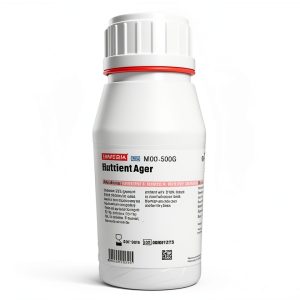 HiMedia M001-500G Nutrient Agar, 500 g
Reviews
There are no reviews yet.